Best Acrylic Paint for Air Dry Clay & How to Prototype Ceramics to Paint Digitally
August 1, 2026
The Joy of Painting Air Dry Clay and Bisque Ceramics
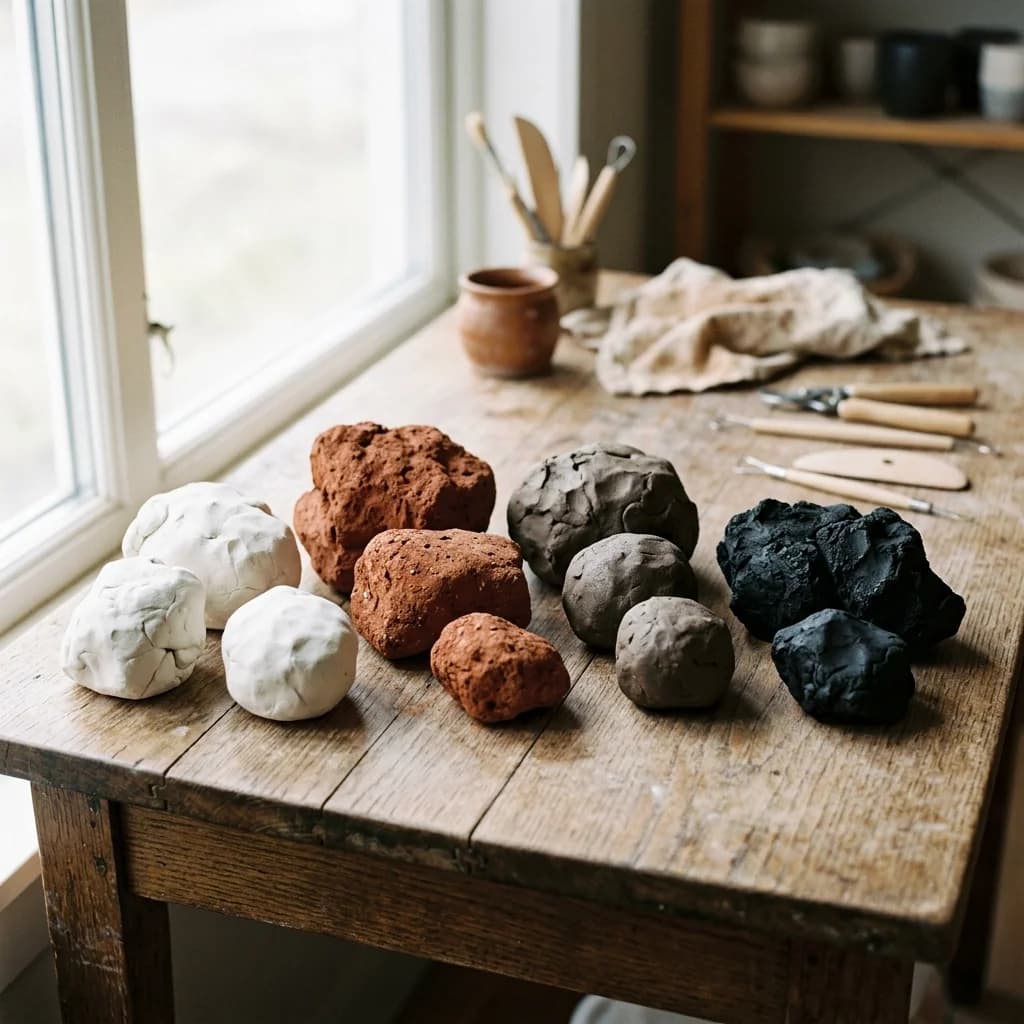
Crafting at home with air-dry clay and collecting blank ceramics to paint is one of the most rewarding arts and crafts activities. Whether you are sculpting functional jewelry dishes, decorative plant pots, or whimsical animal ornaments, applying color brings your handcrafted forms to life.
However, working with physical paint on raw clay comes with a common challenge: air-dry clay is highly porous, and one wrong stroke or muddy color combination can permanently spoil an unfinished ceramic sculpture that took you hours to mold and dry. Here is a guide to choosing the best acrylic paint for air dry clay and a clever digital hack for prototyping your ceramic color palettes worry-free.
Essential Tips for Using Acrylic Paint on Air Dry Clay
When applying paint to hardened air-dry clay or unglazed pottery bisque, following these foundational craft techniques will ensure smooth, long-lasting color coverage:
- Wait for Complete Dryness: Never paint clay that feels even slightly cool or damp to the touch. Trapped moisture under acrylic layers will cause bubbling, peeling, or cracking over time. Allow at least 24 to 72 hours of drying time depending on thickness.
- Apply an Acrylic Primer or Gesso: Because raw air-dry clay works like a sponge, painting directly onto unsealed clay can result in blotchy, uneven pigment absorption. A light coat of white acrylic Gesso seals the porous surface, giving your acrylic paints a vibrant, uniform canvas.
- Use Soft Synthetic Brushes in Thin Layers: Heavy, stiff hog-bristle brushes can leave rough brushmark ridges in thick acrylic paint. Choose soft synthetic taklon brushes and build up your color using two or three thin, smooth layers rather than one heavy, clumpy coat.
- Seal with a Clear Varnish: Since air-dry clay is not fired in a high-temperature pottery kiln, it remains vulnerable to moisture and scratches. Seal your finished piece using a quality gloss, satin, or matte polyurethane spray or brush-on acrylic varnish to lock in the colors and imitate a fired ceramic sheen.
The Pro Crafter's Secret: Prototype Your Ceramics Digitally First!
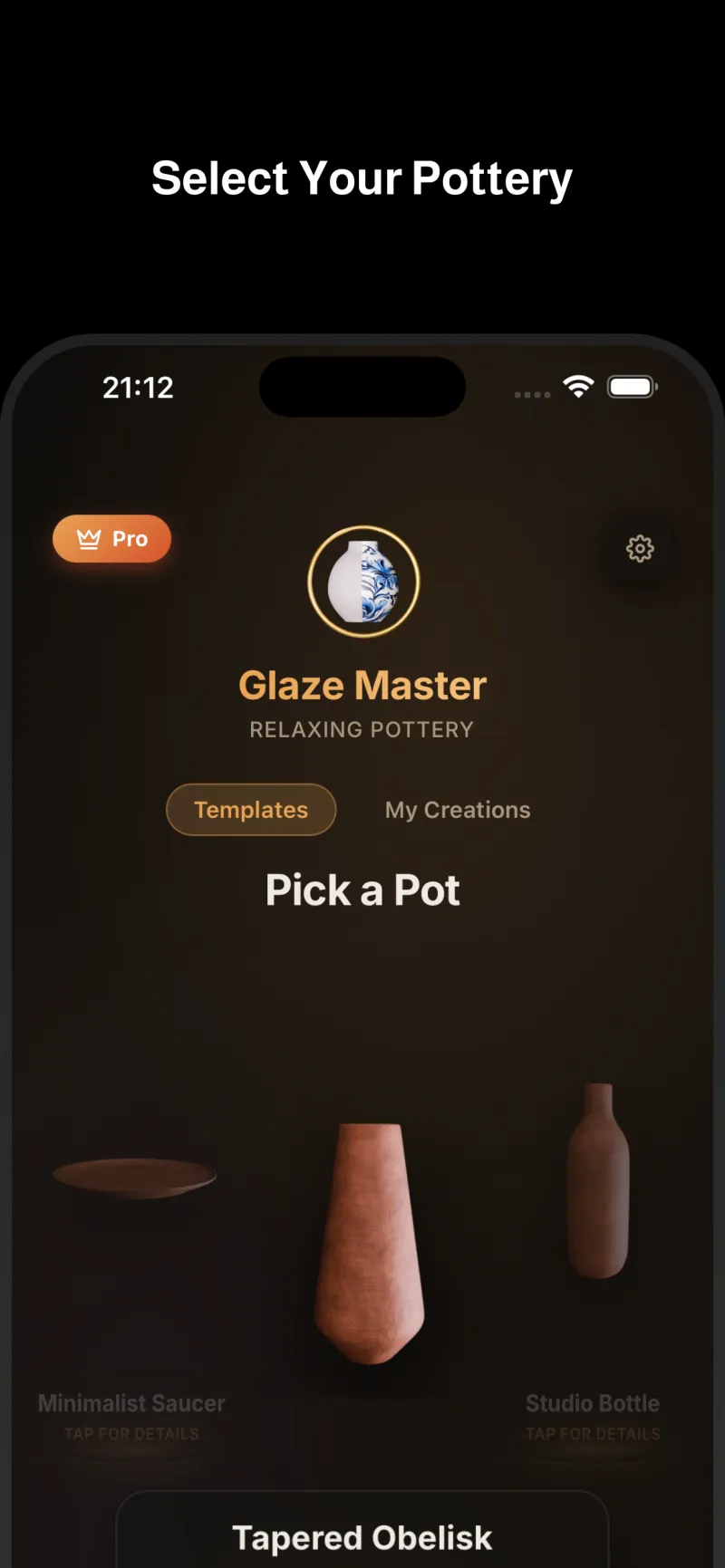
Before committing expressive designs, botanical decals, or bold acrylic brushstrokes onto your physical clay sculptures, many digital-age crafters are using mobile apps like Glaze Master to experiment with patterns and color harmony first.
Why risk making an irreversible painting mistake on your handmade pot? By jumping into Glaze Master's sandbox studio, you can select virtual ceramics to paint that closely match your clay silhouette. Experiment freely with Scandinavian minimalist bands, boho earth tones, underglaze textures, and preview both matte and glossy kiln finishes instantly. Once you discover the exact aesthetic combination you love digitally, you can pick up your physical brush and paint your real-world ceramic masterpiece with complete confidence! Prototype the palette digitally first. Every brush and all nine clay bodies are free; premium clays ship in Glaze Master Pro as the studio grows.