The Material Foundation of Ceramics
Before paint or glaze ever touches a ceramic piece, the clay body establishes its weight, undertone, and aesthetic identity. In both physical studios and digital clay sculpting apps, selecting your clay is the crucial first decision that dictates the direction of the entire project.
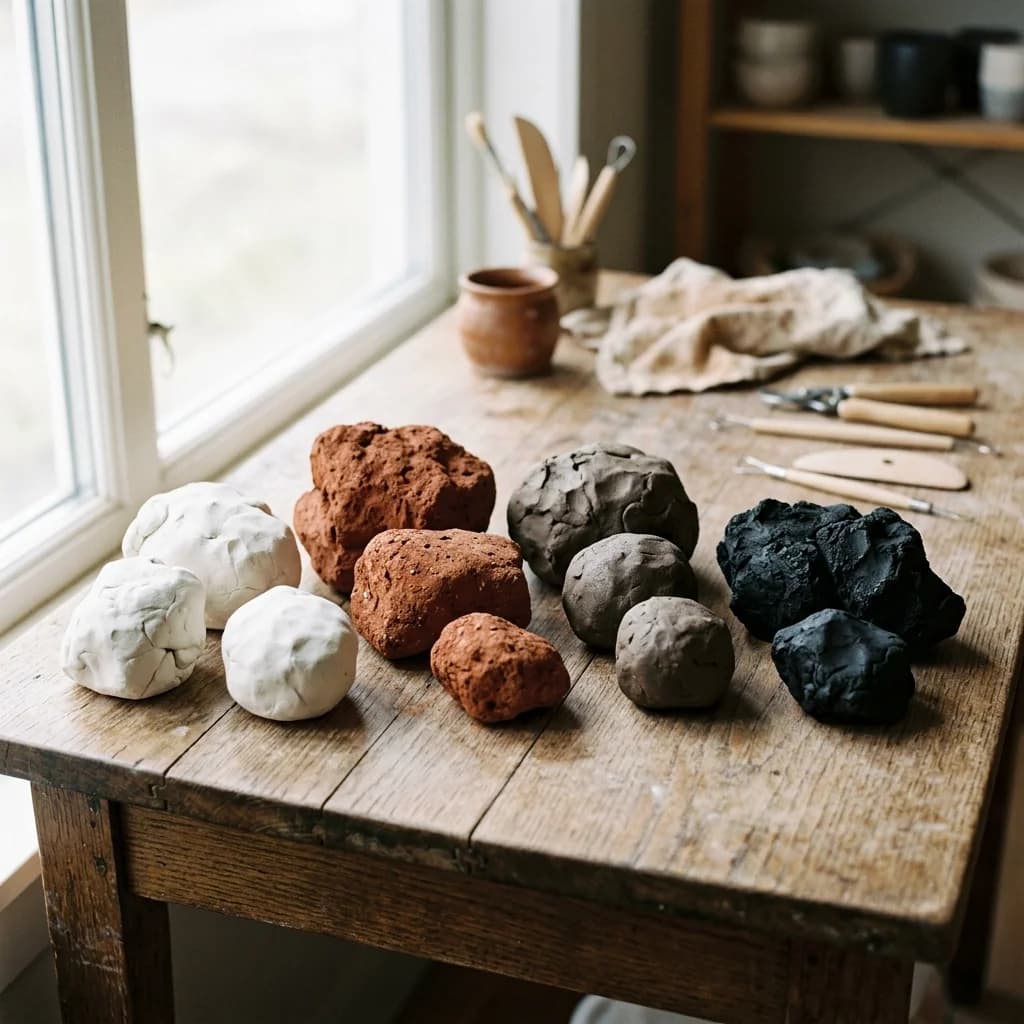
Different types of clay bodies react differently to heat, glaze chemistry, and light. A translucent glaze that looks vibrant on a white background might turn muddy and mysterious on a dark clay. Here is a detailed breakdown of popular clay choices and how to use them effectively:
- Porcelain: Known as the aristocrat of clays, porcelain is an ultra-fine, bright white clay fired at very high temperatures. It provides maximum contrast for intricate brushwork and vibrant glaze colors. Porcelain pottery designs are often delicate, elegant, and look stunning with traditional blue-and-white motifs or modern glossy pastels.
- Terracotta: A rich, iron-heavy red clay that evokes Mediterranean, rustic, and ancient pottery traditions. Fired at lower temperatures, it remains relatively porous. The debate of terracotta vs stoneware often comes down to warmth: terracotta provides an unbeatable earthy, baked warmth that pairs beautifully with creamy white underglazes.
- Stoneware & Buff: These are the workhorses of the ceramic world. Durable, neutral-toned clays featuring subtle grain and natural warmth, they are ideal for everyday functional items like modern mug and jar shapes. Buff clay provides a sandy, toasted background that fits perfectly into boho and minimalist aesthetics.
- Obsidian & Chocolate: Dark, dramatic clay bodies are incredibly trendy. Obsidian clay creates a striking, moody backdrop. When you leave areas of this dark clay unglazed, it contrasts powerfully with bright metallic overglazes or stark white brushstrokes, resulting in a highly contemporary, premium look.
- Sage & Sandy: Earthy, soft-hued specialty clay options perfect for serene, minimalist coastal designs. These tinted bodies allow artists to achieve colored backgrounds without having to paint the entire piece, maintaining the tactile, raw texture of the unglazed surface.
Match the Clay to the Mood
Next time you start a new digital project, resist the urge to just use the default white clay. Think about the mood you want to evoke. Is it a cozy, rustic morning coffee? Go with Terracotta. Is it a sleek, modern art piece for a downtown apartment? Obsidian might be your best bet.