Embracing Wabi-Sabi Through Clay
In Western culture, a broken bowl is often seen as ruined, destined for the trash. However, the traditional Japanese philosophy of Wabi-Sabi offers a profoundly different perspective. It encourages us to find beauty in imperfection, transience, and the natural wear that comes with age and use.
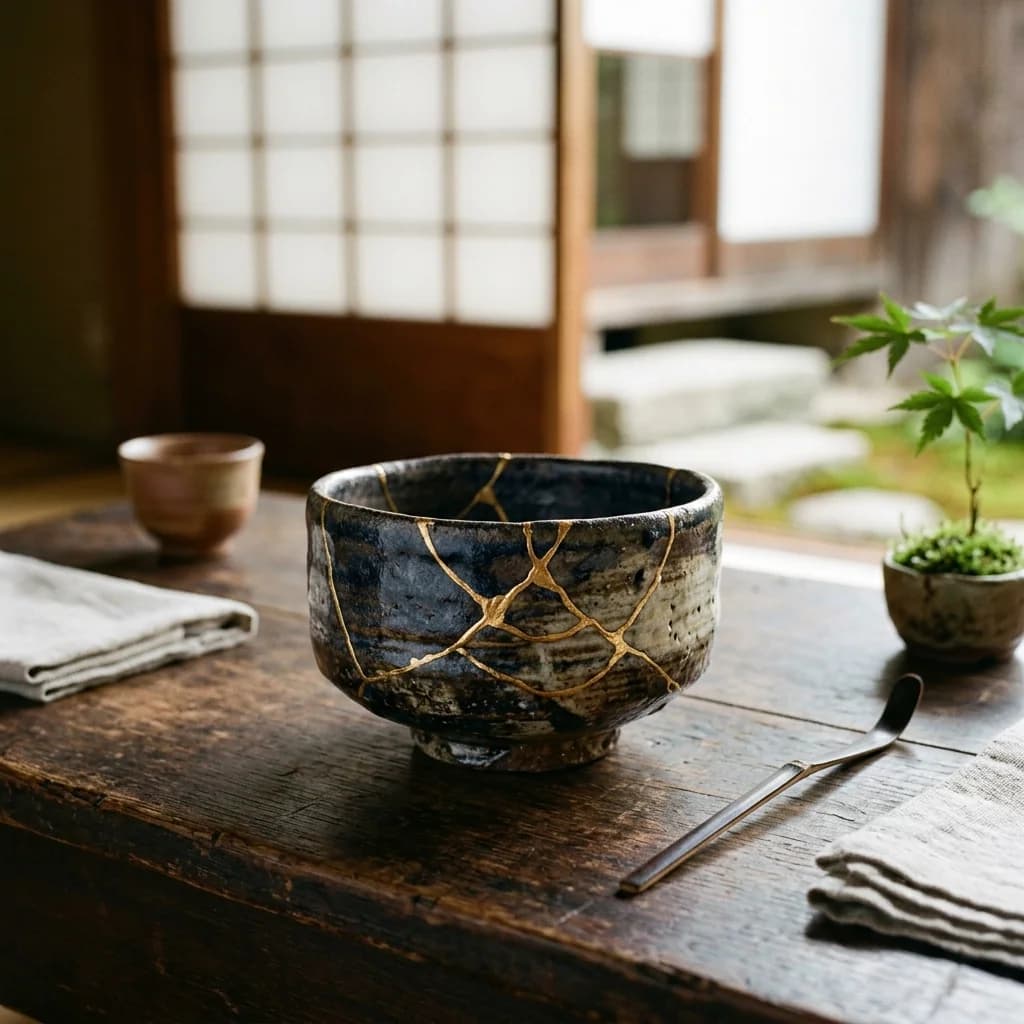
One of the most famous and breathtaking expressions of this philosophy is Kintsugi (or Kintsukuroi), which translates to "golden joinery." This is the meticulous craft of repairing broken ceramic pottery with a special tree sap lacquer dusted with powdered gold, silver, or platinum.
The History and Philosophy of Kintsugi
Kintsugi art history dates back to the late 15th century. Legend has it that Japanese shogun Ashikaga Yoshimasa sent a damaged Chinese tea bowl back to China for repairs. When it returned, fixed with ugly metal staples, Japanese craftsmen were prompted to look for a more aesthetically pleasing means of repair. The result was Kintsugi.
The philosophical heart of Kintsugi is resilience. Rather than disguising fractures or pretending the damage never happened, Kintsugi treats breaks as an important part of an object’s history. The shining gold veins draw attention to the scars, making the repaired piece even more beautiful, unique, and valuable than the unbroken original.
Transforming Flaws Into Digital Art
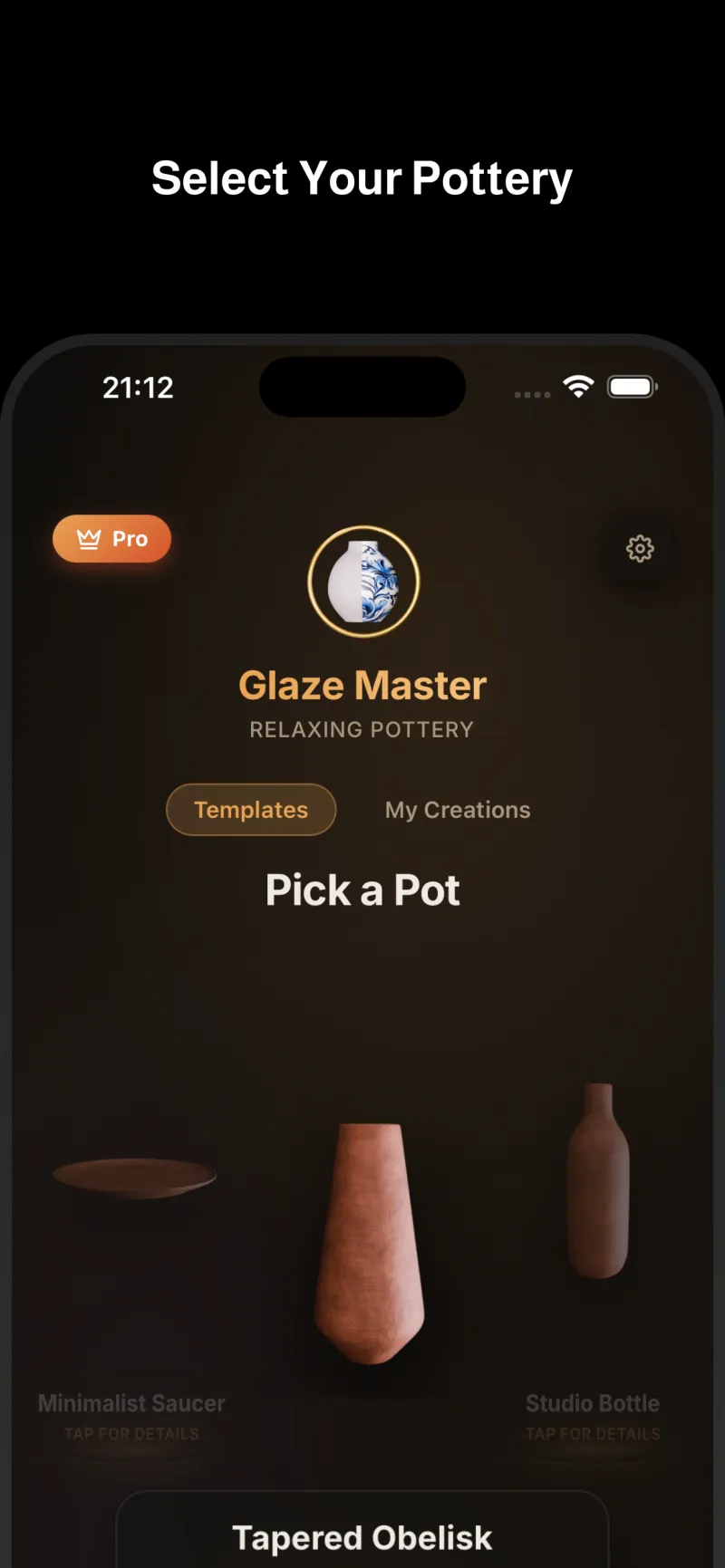
While digital pottery cannot literally break, translating this philosophy into mindful crafting and digital kintsugi allows players to practice a unique form of "let-go" mindfulness. In a digital world where the "Undo" button is always available, perfectionism can easily take over.
Practicing zen pottery digitally means occasionally resisting the urge to erase a wobbly line. It means embracing asymmetrical lines, organic brush strokes, and unpolished textures as unique artistic signatures rather than mistakes. By intentionally incorporating "flaws"-perhaps by drawing golden, jagged lines across a dark obsidian pot to simulate Kintsugi-we can train our minds to accept imperfection in our art, and ultimately, in our daily lives.