Demystifying Ceramic Glaze Techniques
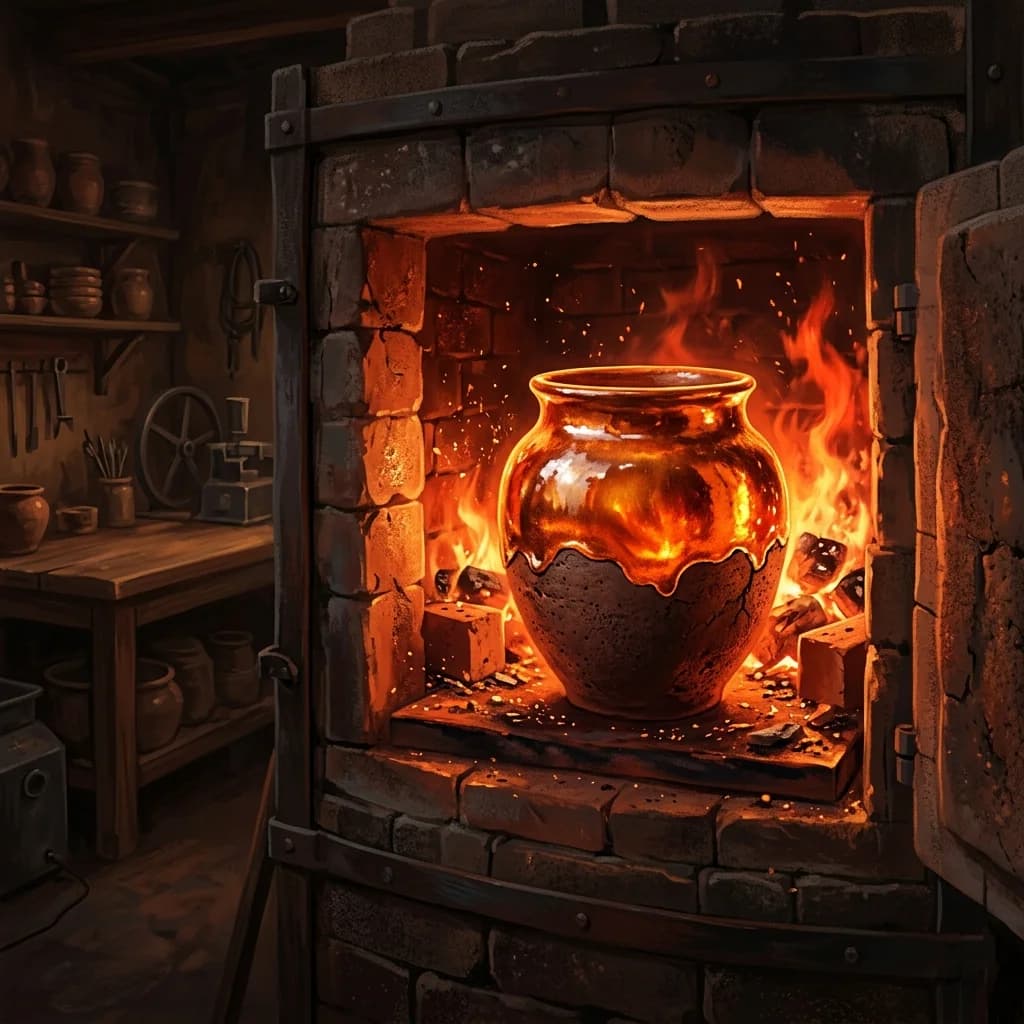
For beginners diving into the world of ceramics, the terminology can sometimes feel overwhelming. One of the most common questions is about the difference in application and outcome between various glazing techniques. Understanding how decorative layers interact with clay during high-temperature kiln firing is a core skill in both physical ceramics and digital pottery simulation.
The choice between underglaze vs overglaze fundamentally alters the depth, texture, and crispness of your final artwork. It is not just about the color you choose, but when and where you apply it relative to the protective glassy coating.
| Feature | Underglaze | Overglaze |
|---|---|---|
| Application Timing | Applied to greenware or bisqueware before the final glaze coating and firing. | Applied over a pre-fired or top glaze layer, often requiring a lower-temperature third firing. |
| Visual Effect | Subtle, muted, and appears baked deep into the clay body. Colors can sometimes shift. | Vivid, sharp, opaque, and rests distinctly on top of the surface. |
| Texture Integration | Fuses intimately with the raw porous ceramic structure, adopting its texture. | Remains smooth, raised, and glass-like, sitting proudly on the surface. |
| Ideal For | Rustic aesthetics, antique styles, watercolor effects, and earthy botanical motifs. | Bold geometric decals, crisp graphic art, lettering, and metallic accents. |
Glossy vs. Matte Kiln Outcomes
Beyond the placement of the pigment, sending a pot to the kiln transforms the final surface texture based on the chemistry of the clear coat applied. This choice between matte vs glossy pottery defines the tactile experience of the piece:
- Glossy Finish: This traditional finish refracts light and produces glass-like highlights that emphasize smooth curves and rich color saturation. It is highly durable, easy to clean, and makes underglaze colors pop with vibrancy.
- Matte Finish: Delivers an understated, velvety, light-absorbing finish. A matte clear coat diffuses reflections, highlighting raw clay textures and subtle brushstroke details rather than the shape's reflective properties. It is heavily favored in modern minimalist design.
Experimenting with Combos
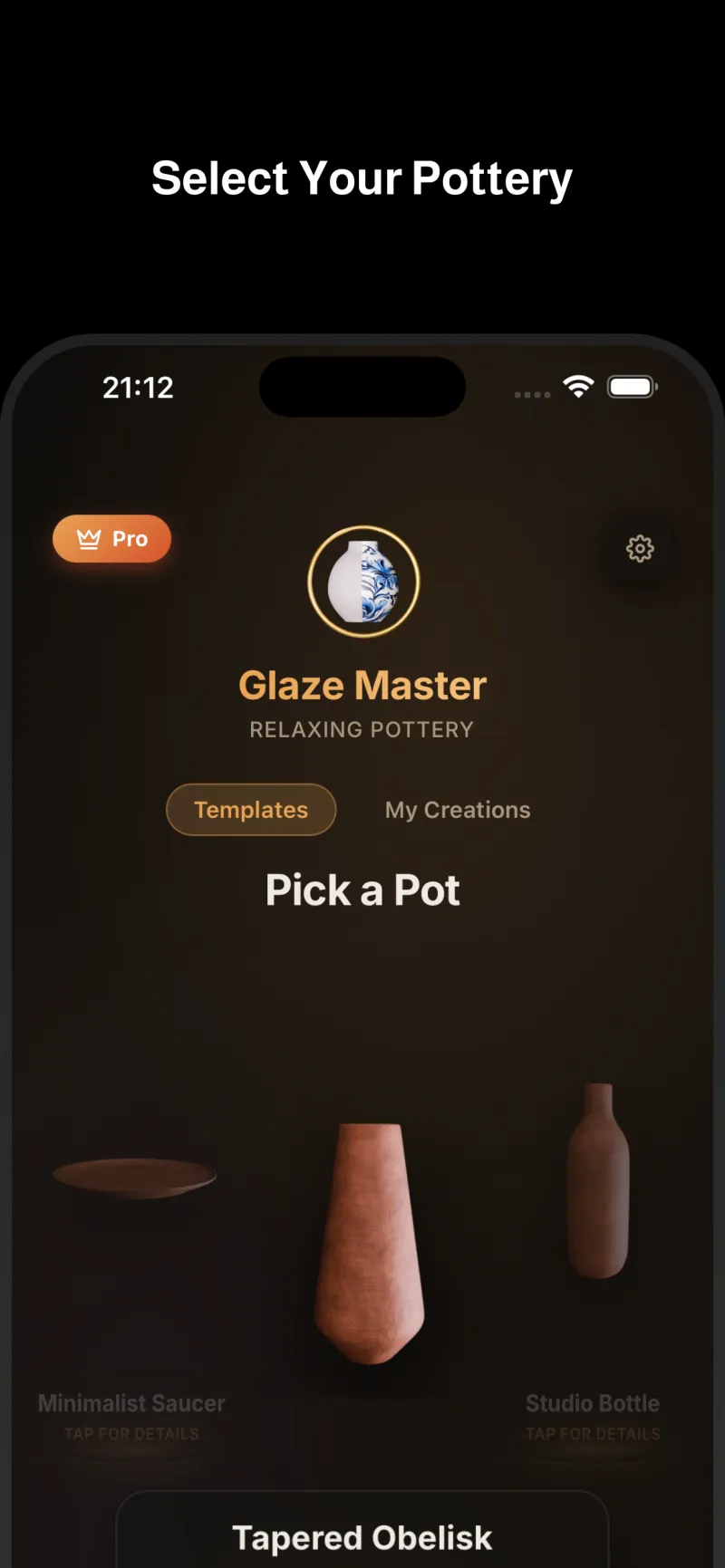
In advanced pottery techniques, artists often mix these styles-using underglaze for a soft background wash, applying a matte clear coat, and then firing an overglaze metallic gold decal on top for striking contrast. Digital tools like Glaze Master allow you to experiment with these complex firing results instantly, without waiting 24 hours for a kiln to cool! You can test underglaze and overglaze behaviour on a virtual pot before committing real materials - the core set is free, and the full decal gallery is in Pro.